Fiction Book Templates
Explore our collection of fiction book templates to find a suitable example for designing a cover, pages, chapters, and more in a consistent style. Our templates provide a ready-made structure for various works of fiction. Use premade typography, heading styles, fonts, and image placeholders. Our fiction books are fully editable in Google Docs, Word, Slides, and PowerPoint. You can also save them as PDFs to print in various preformatted sizes without additional settings.
Stylish Novel Book
Simple Children's Book Template

Charming Children's Book

Picture Book Template for Children
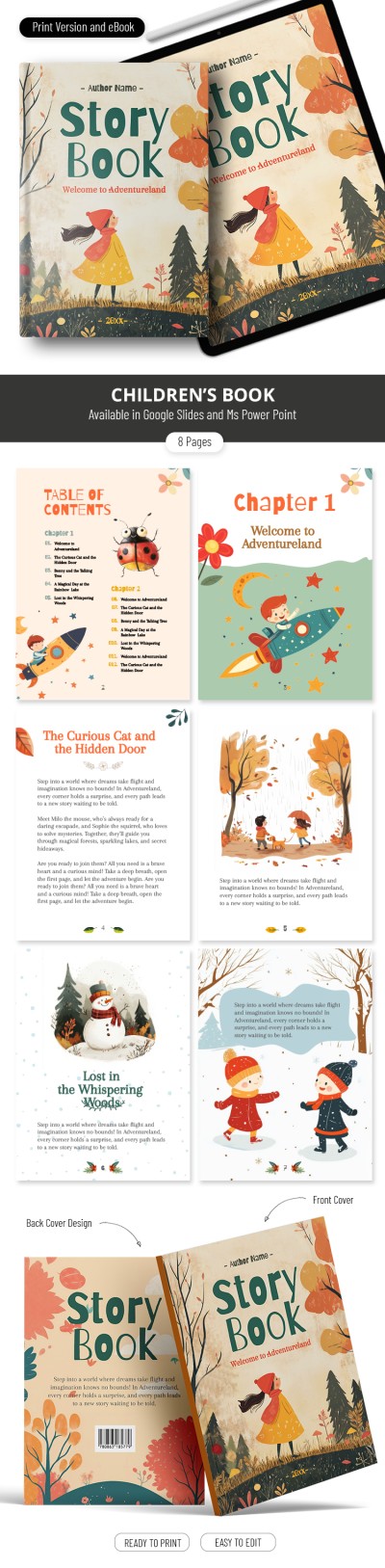
Perfect Children's Book
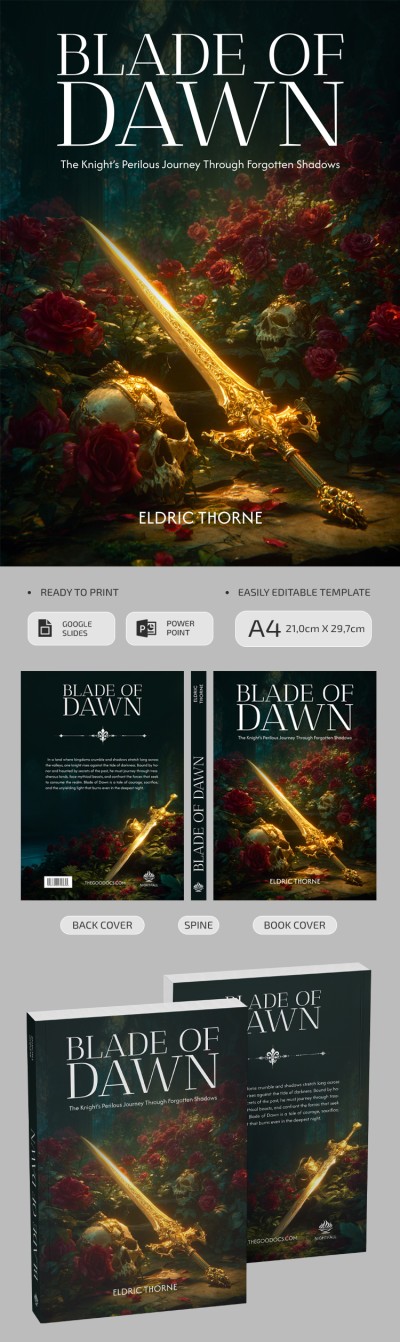
Printable Fantasy Book Cover Template – Customizable Novel Layout
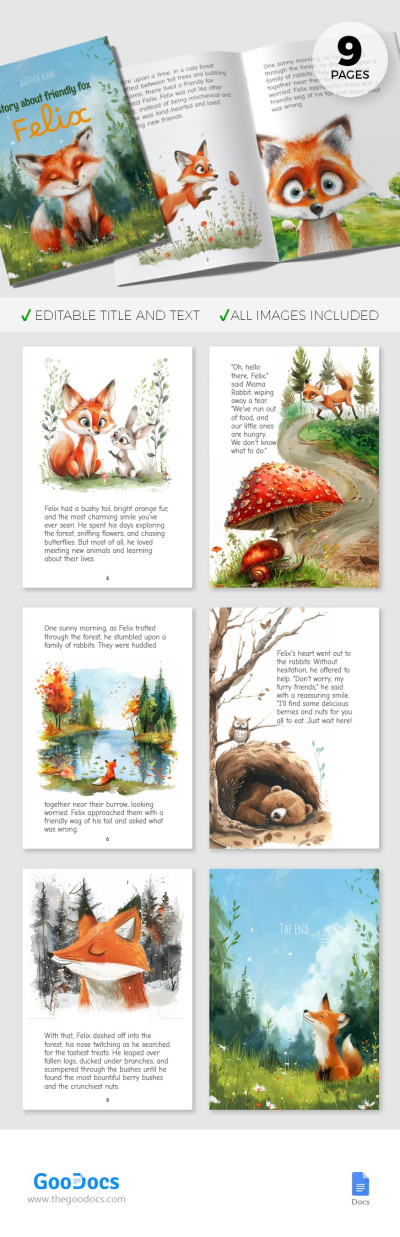
Illustrated Children's Book
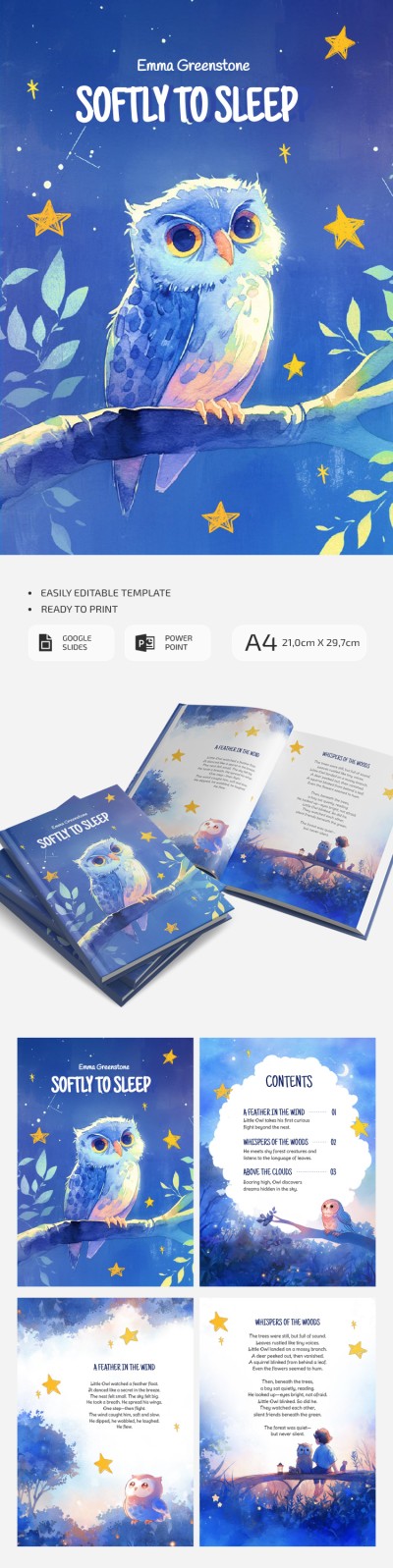
Watercolor Children's Book Template With Cute Owl
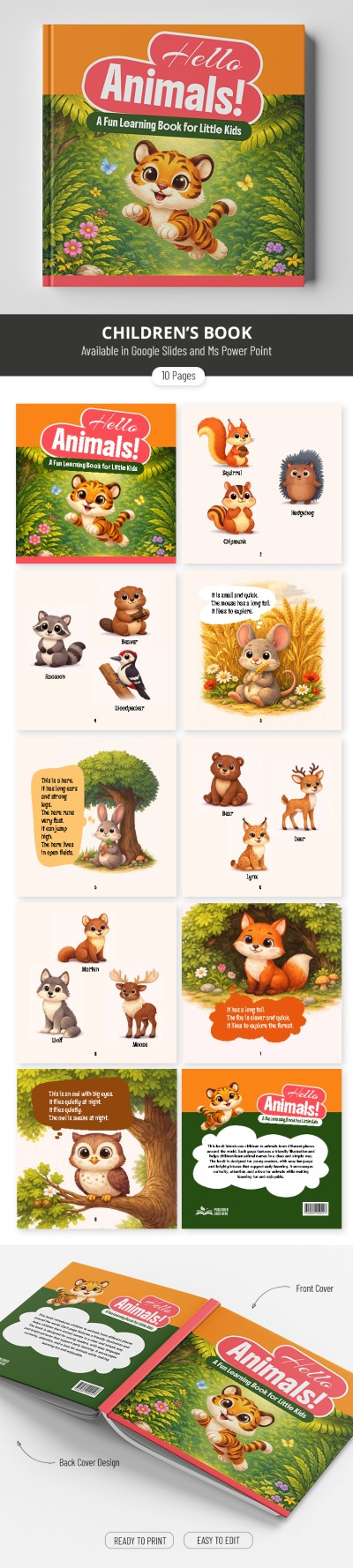
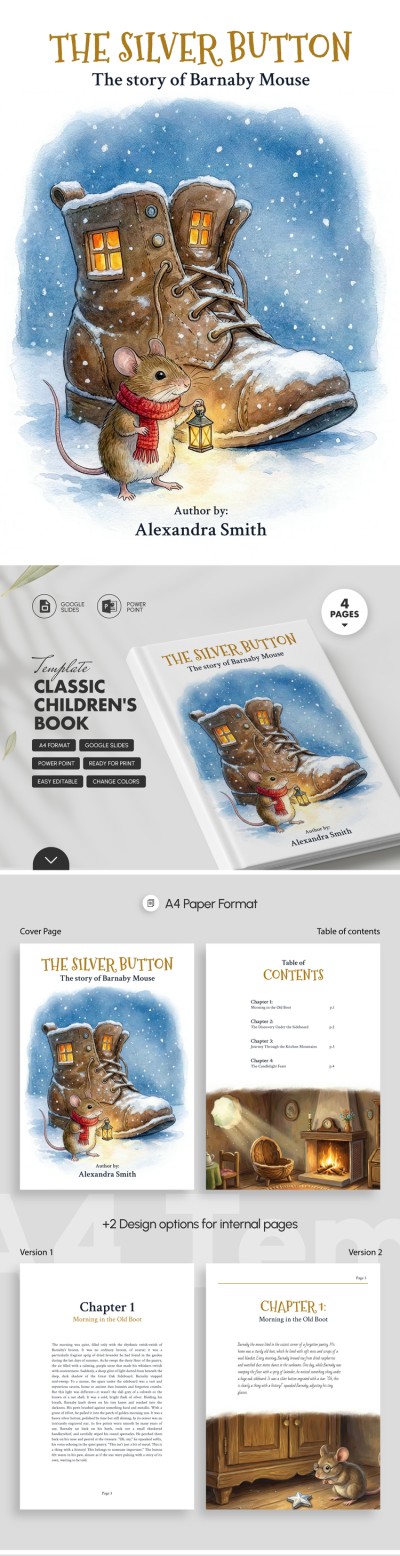

Picture Book
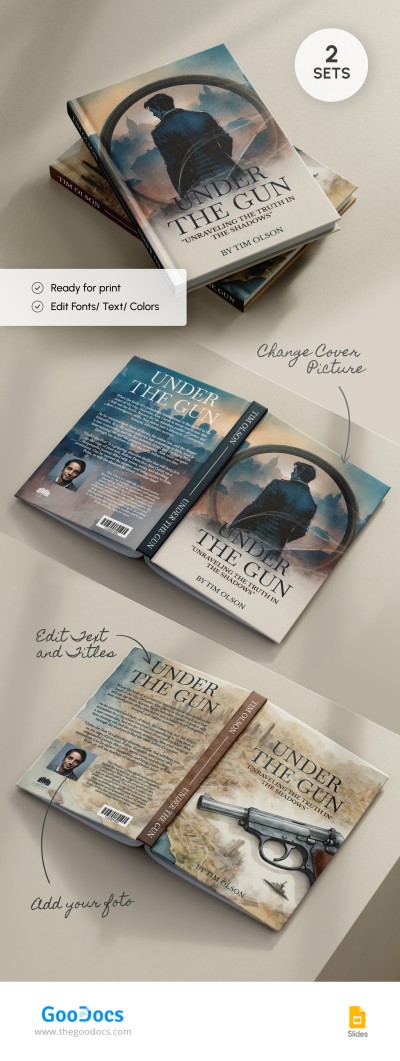
Elegant Book Cover
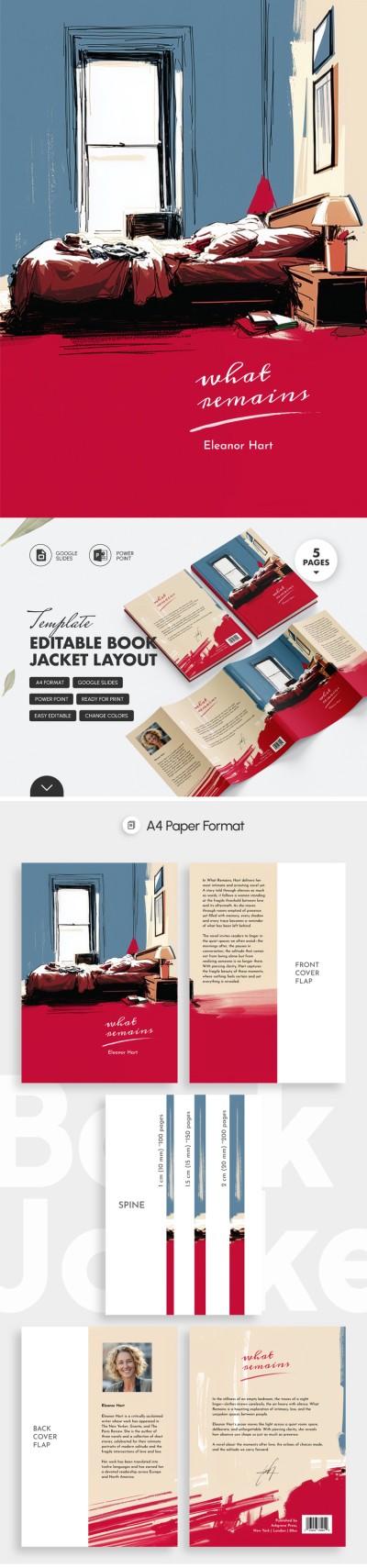
Editable Book Jacket Layout – Front | Spine | Back

Children’s Book Layout Template
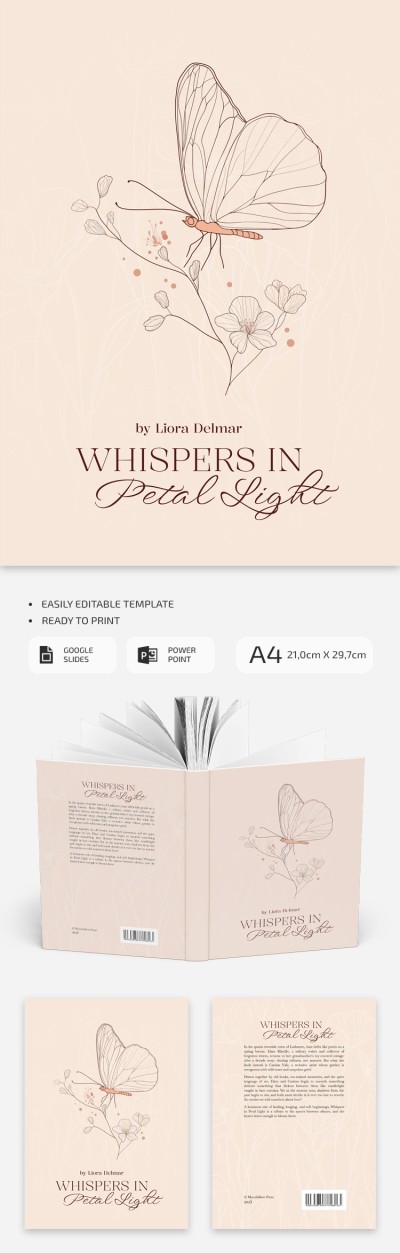
Romantic & Aesthetic Book Cover Template
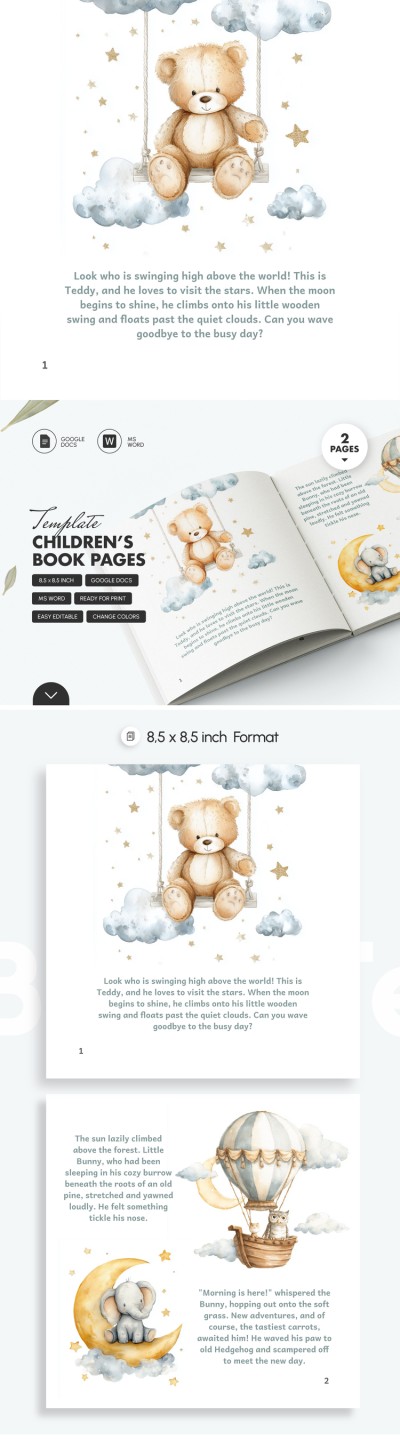
Children’s Book Page Template
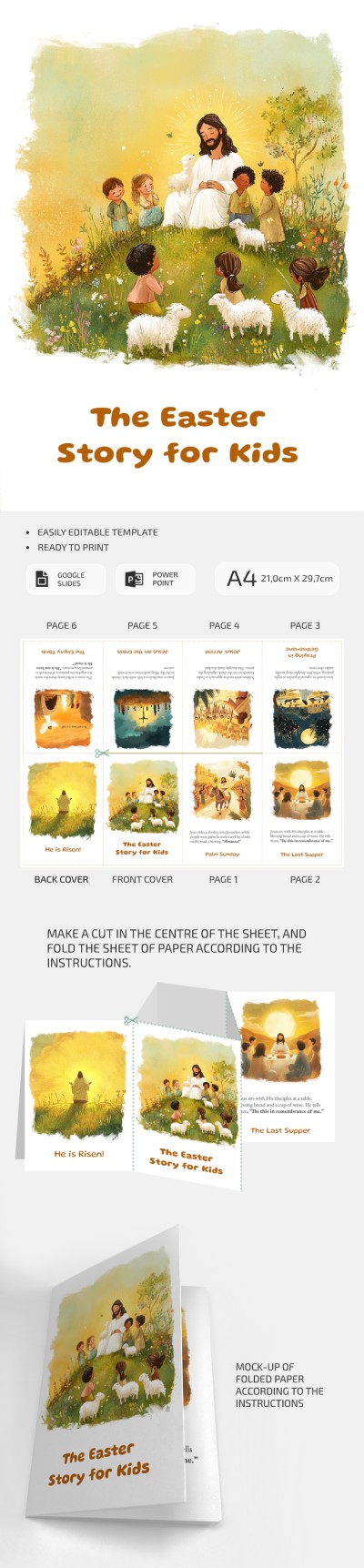
The Easter Story For Kids – Printable Mini Book Template
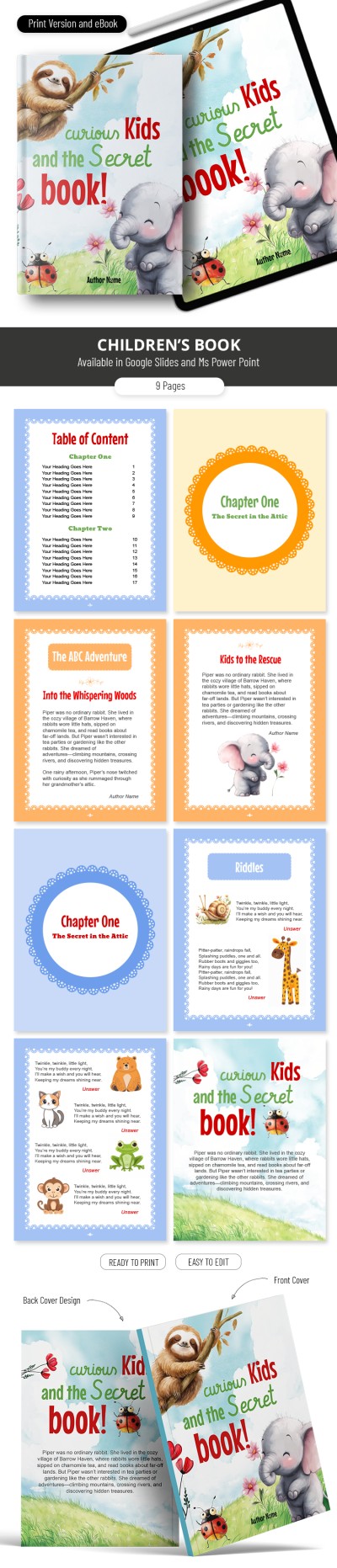
Amazing Children's Book
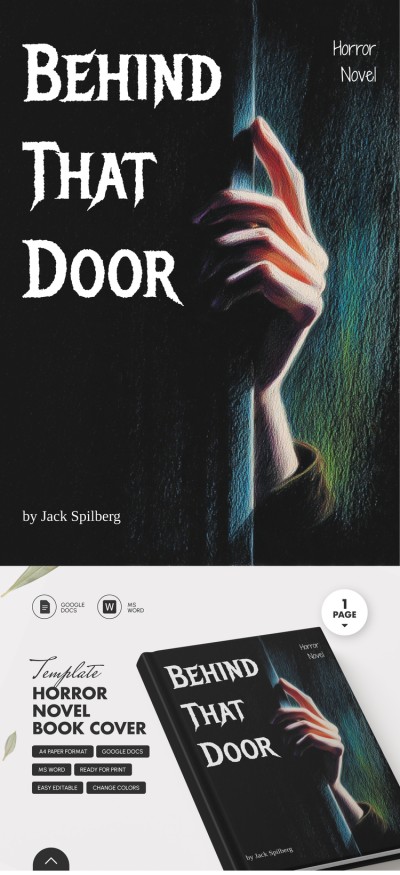
Horror Novel Book Cover Template
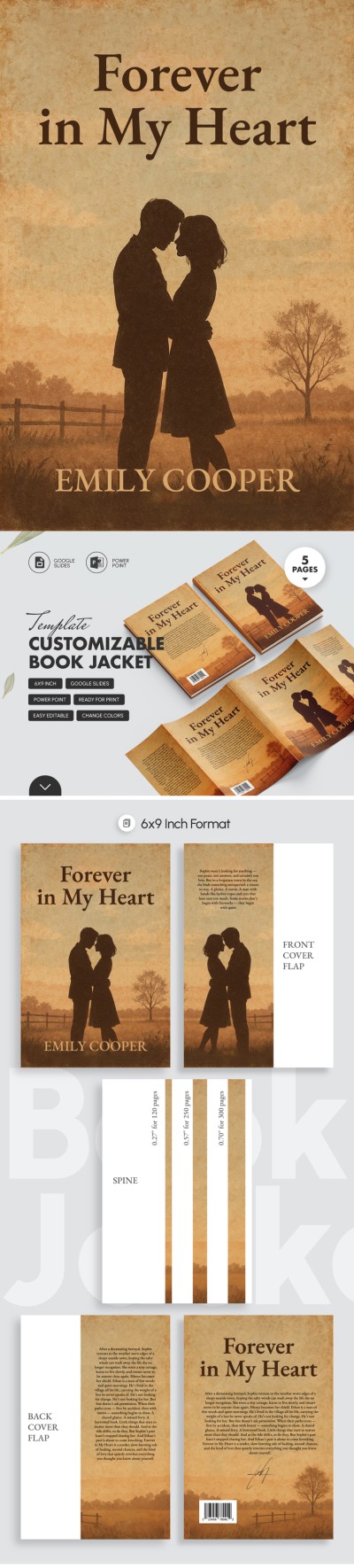
Customizable Book Jacket Outline Template
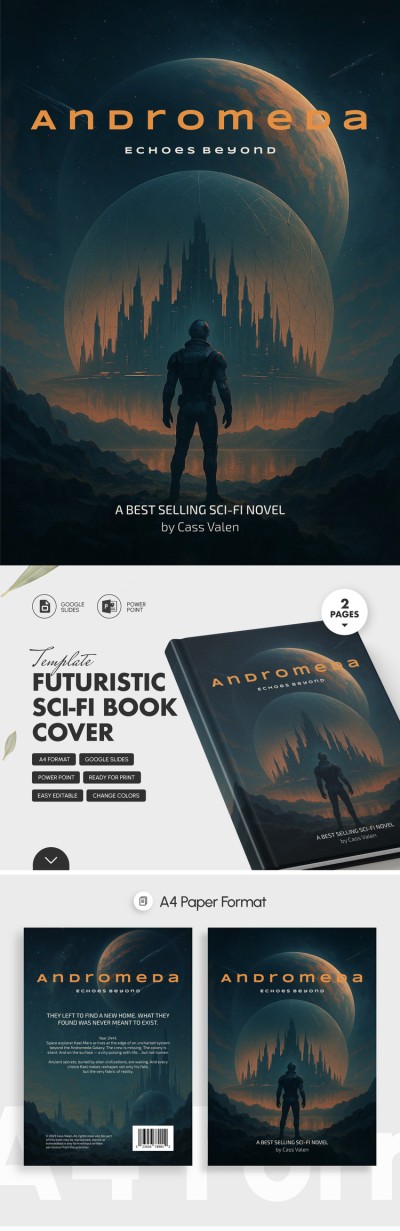
Futuristic Sci-Fi Book Cover Template
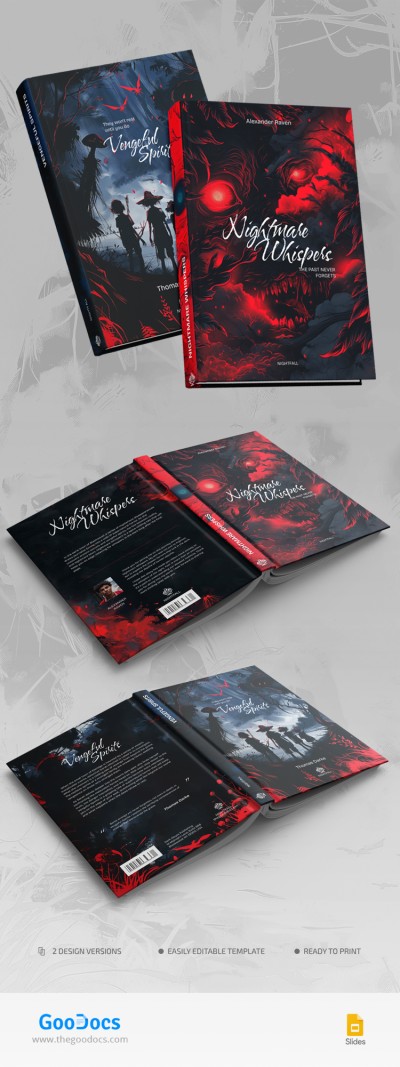
Horror Book Cover
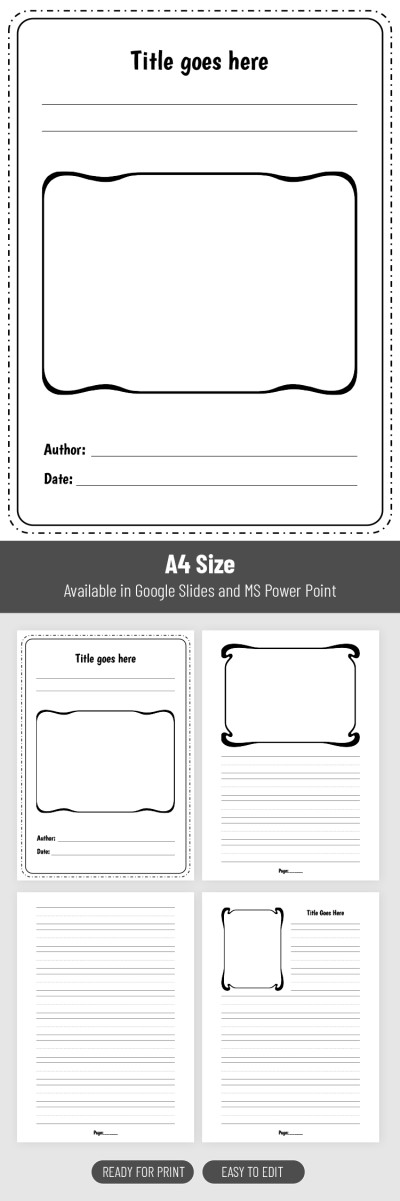
Printable & Digital Student Storybook Template
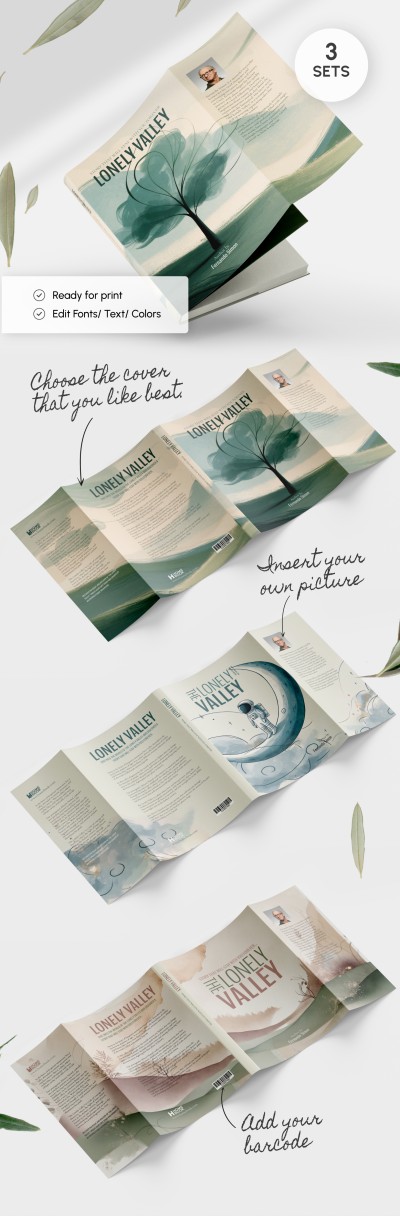
Book Jacket Project
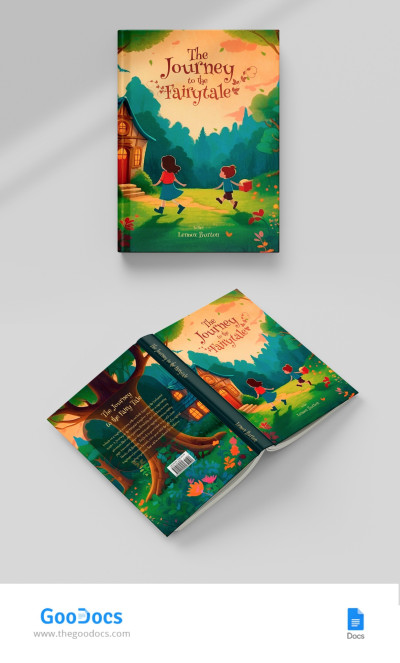
Children Book Cover
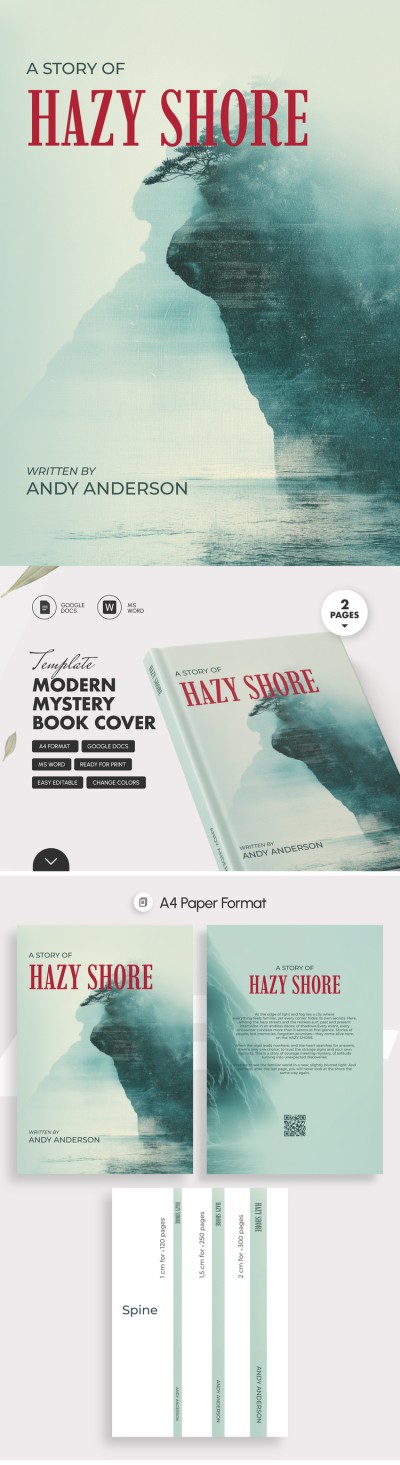
Modern Mystery Book Cover
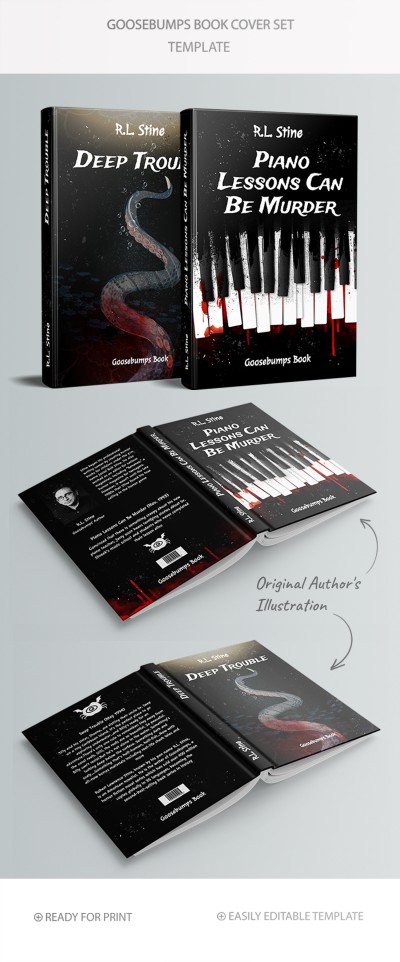
Goosebumps Book Cover
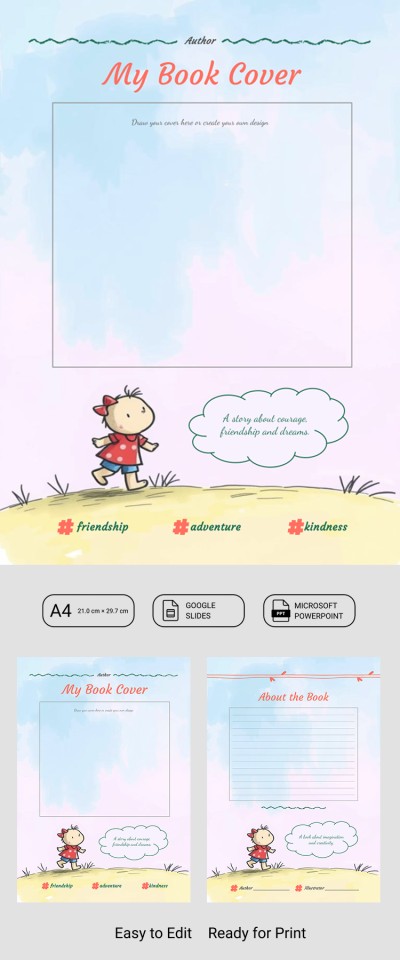
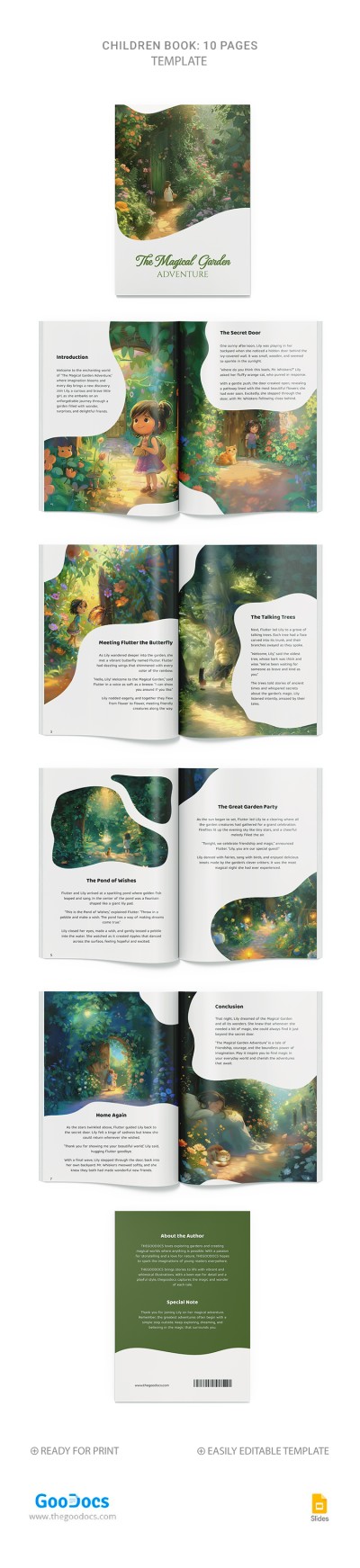
Creative Children Book
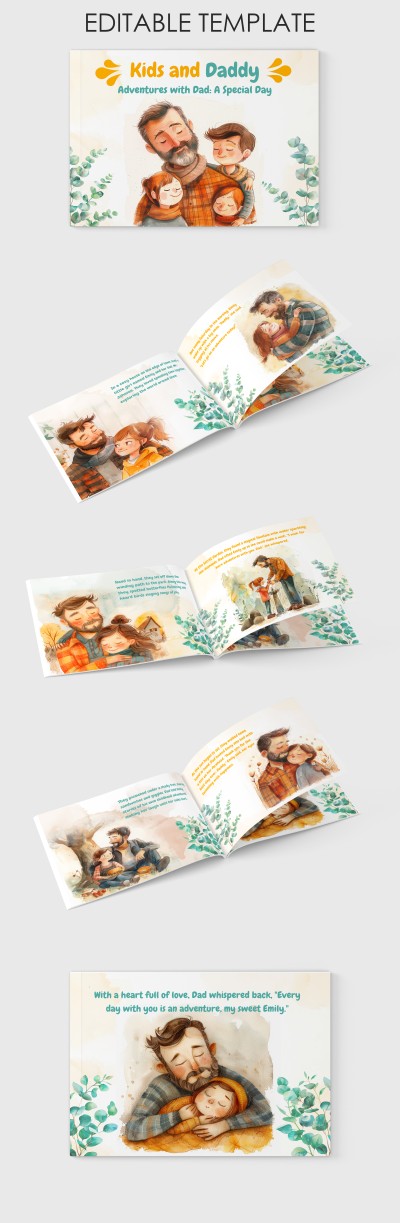
Cute Children's Book
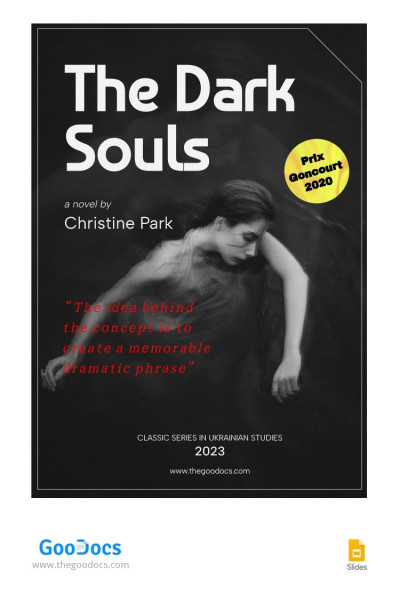
Novel Cover Book
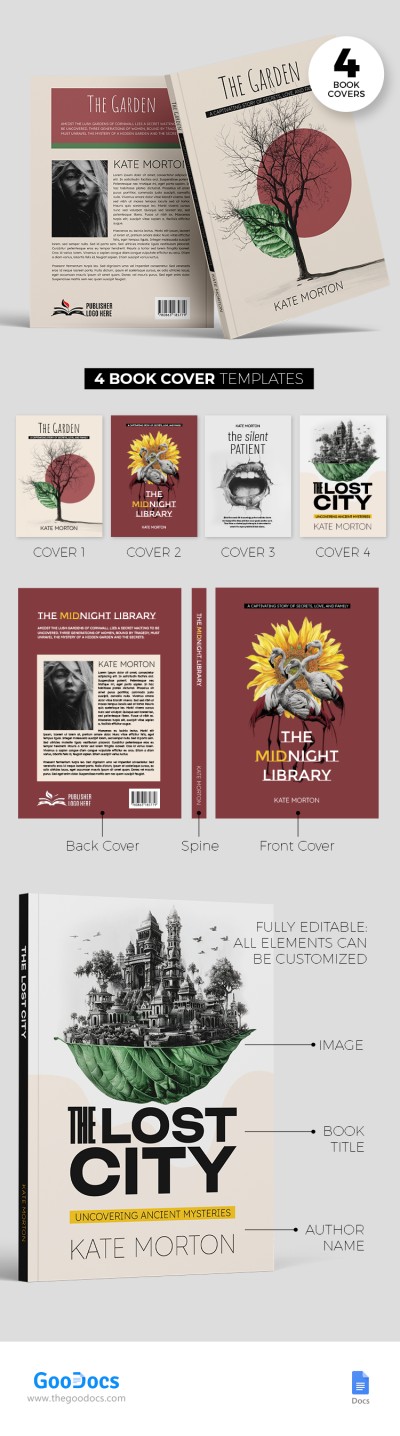
Stylish Books Cover
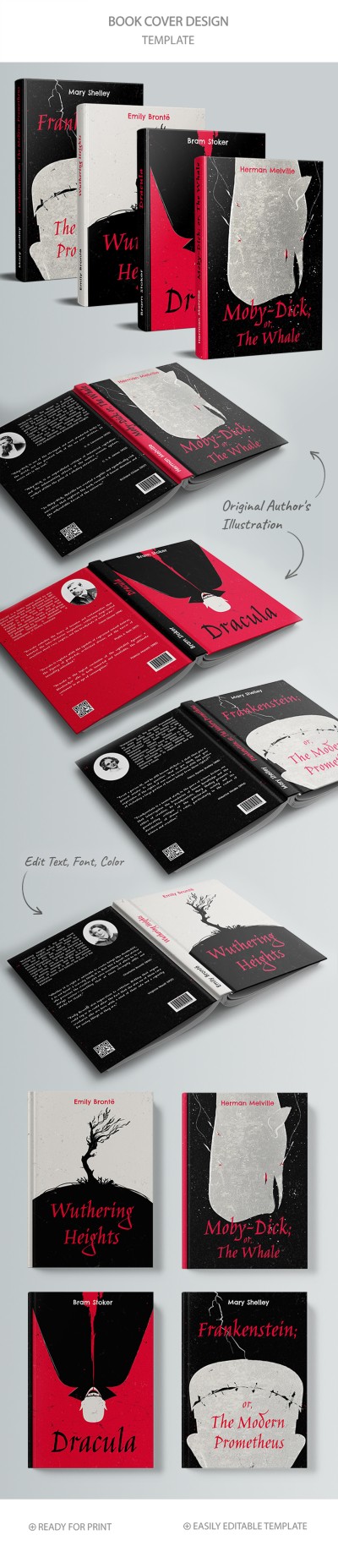
Classic Book Cover Design
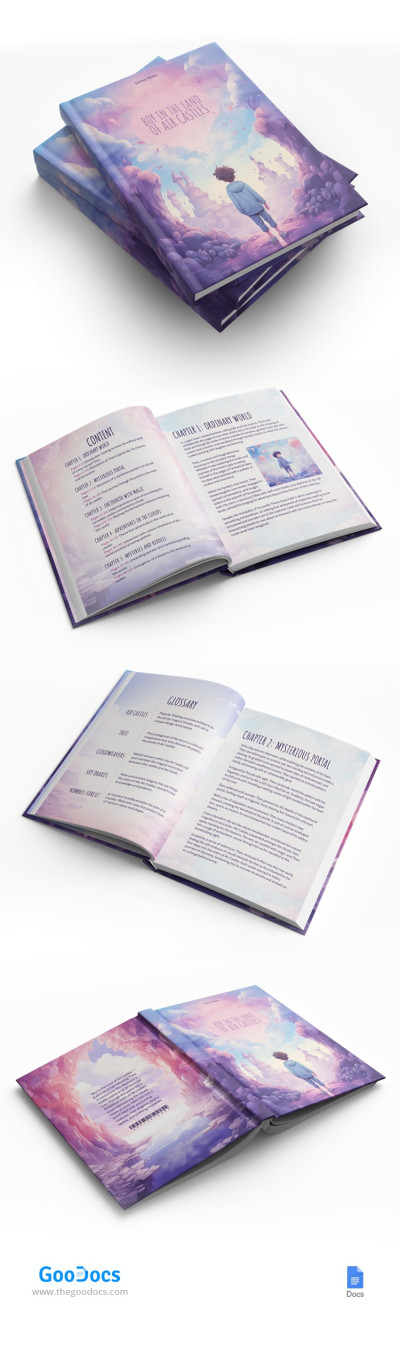
Children's Book
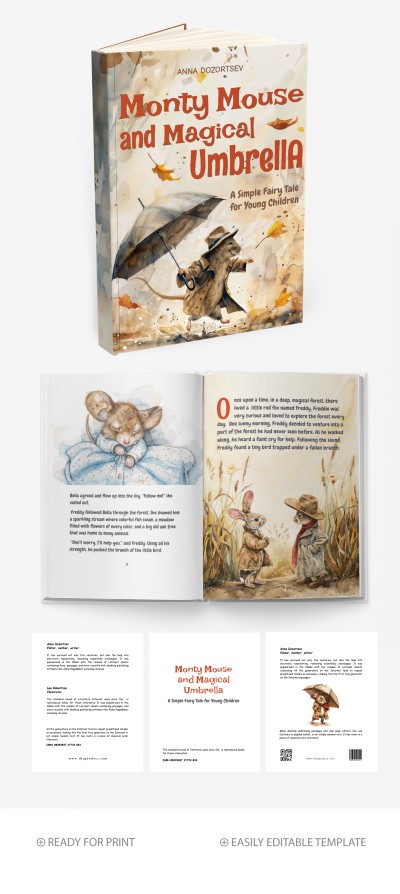
Children Book
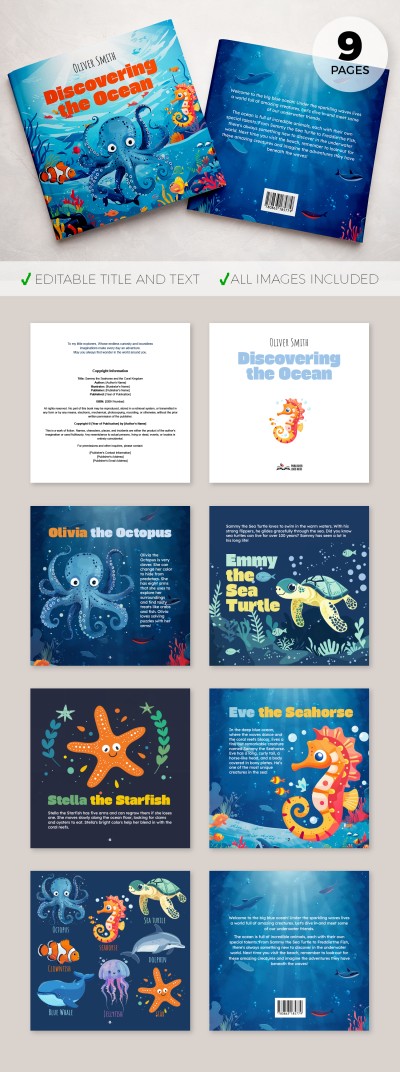
Bright Children's Book
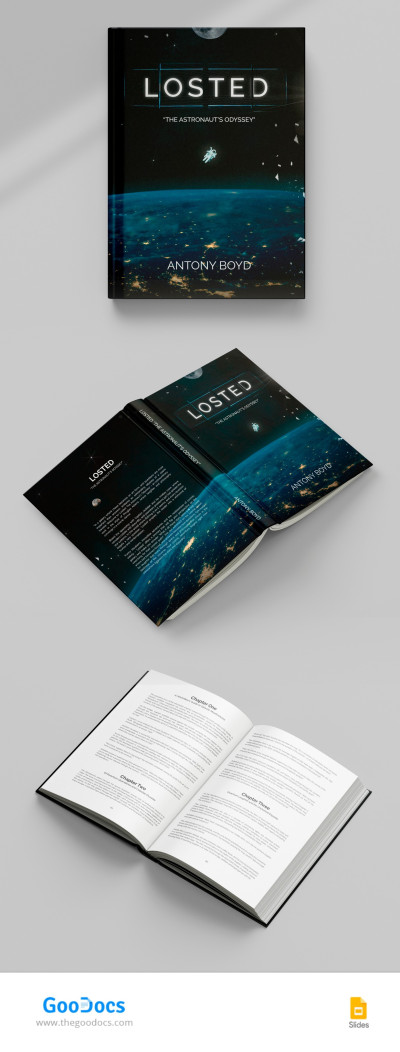
A5 Book Cover
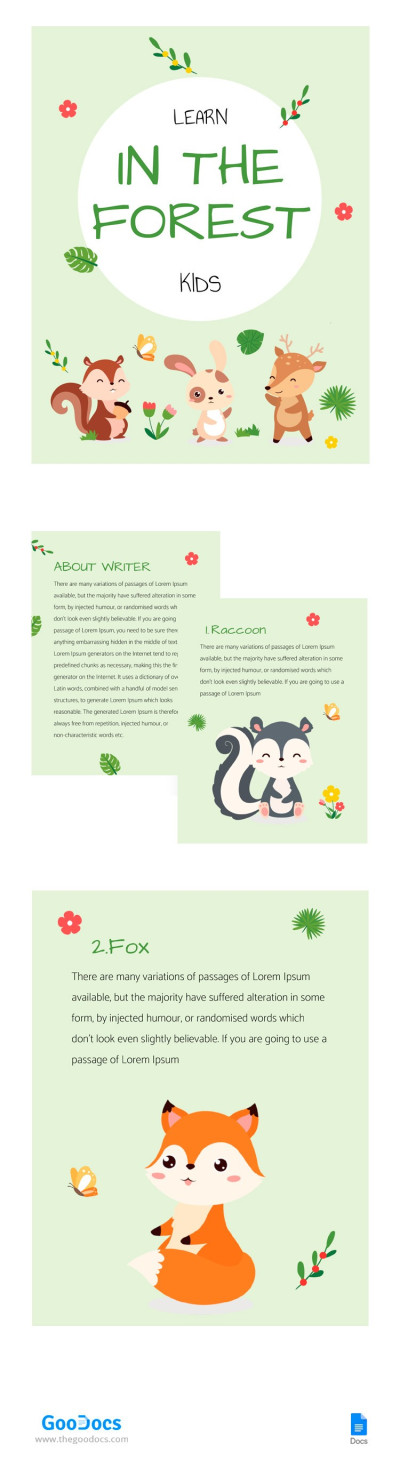
Forest Animal Book
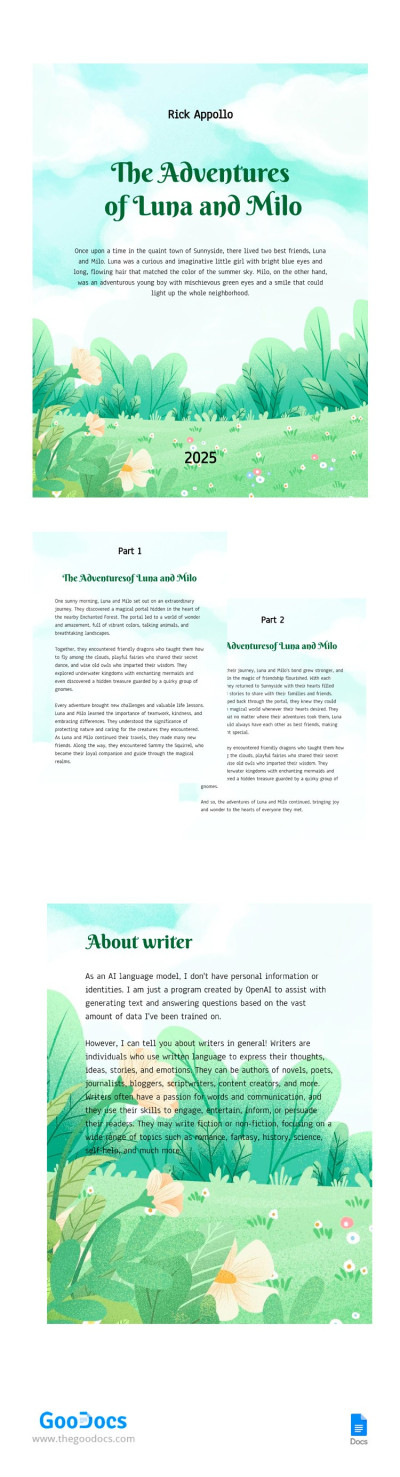
Adventure Kids Book
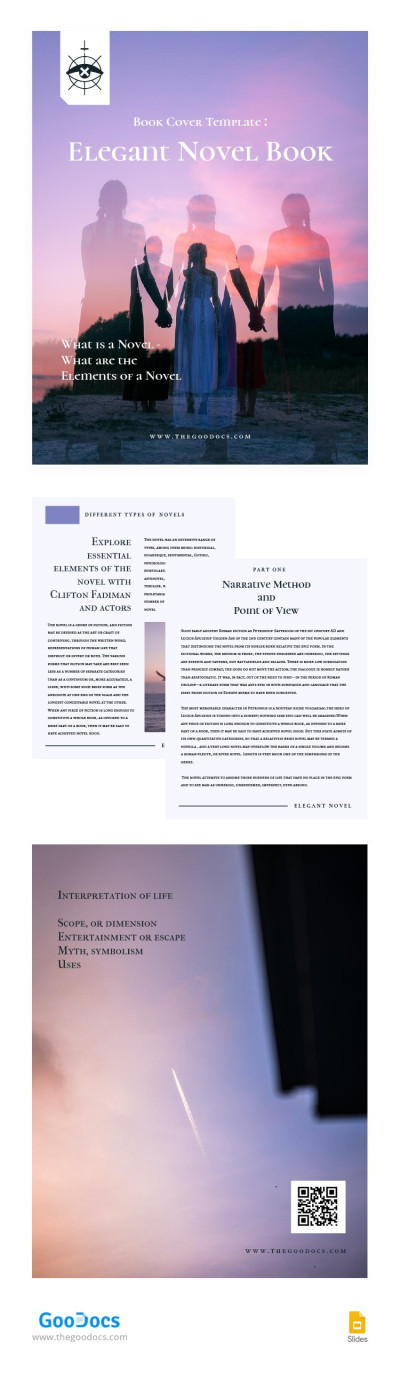
Elegant Novel Book

Black & White Space Book
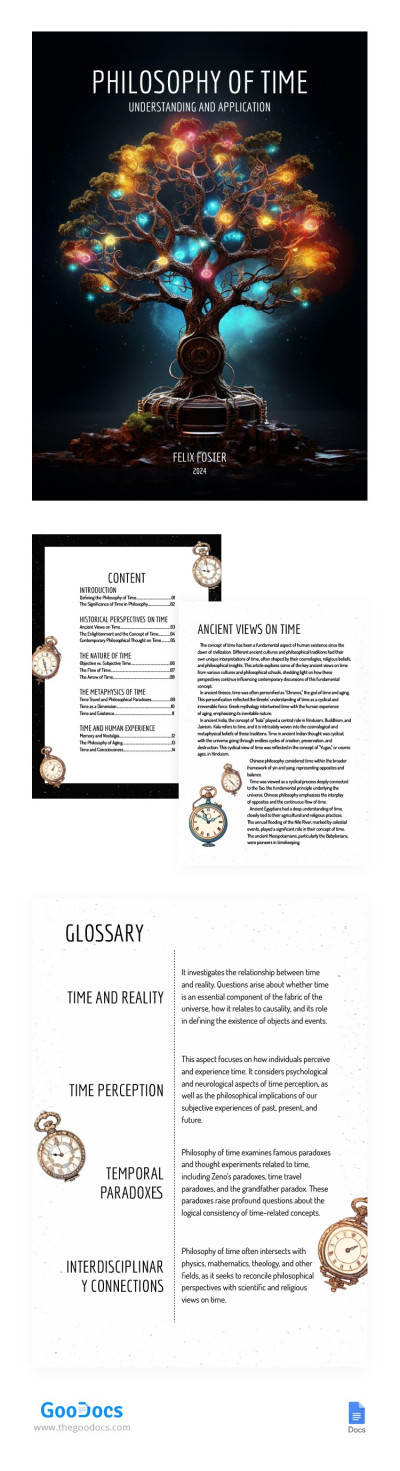
Philosophical Book Cover
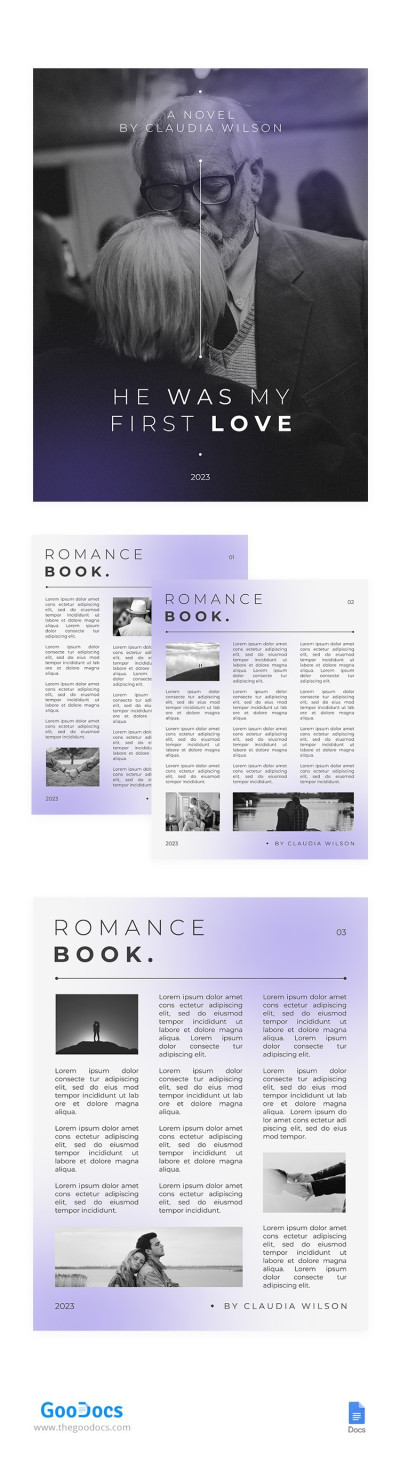
Gray Romance Book
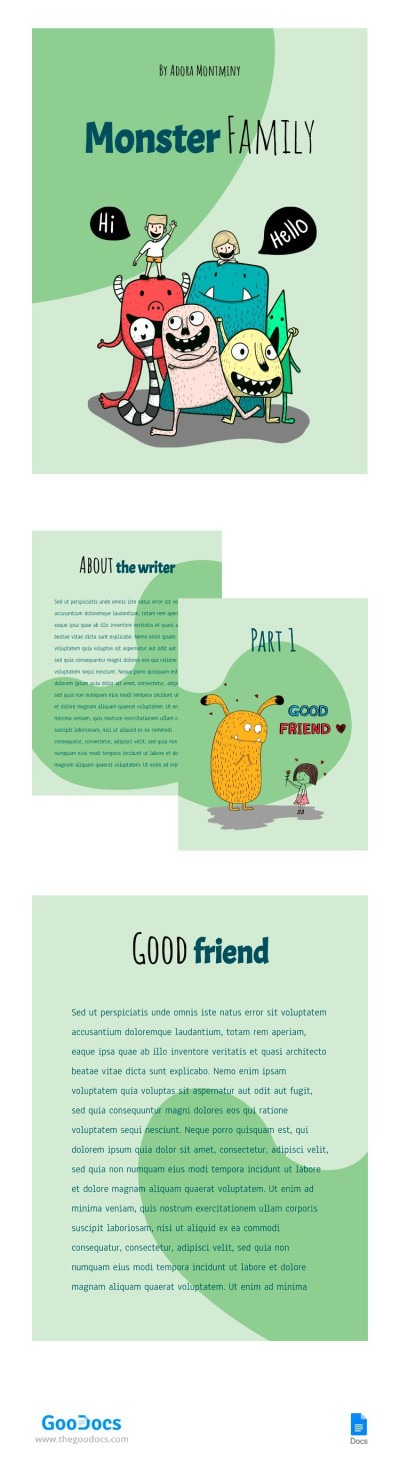
Family Monster Book
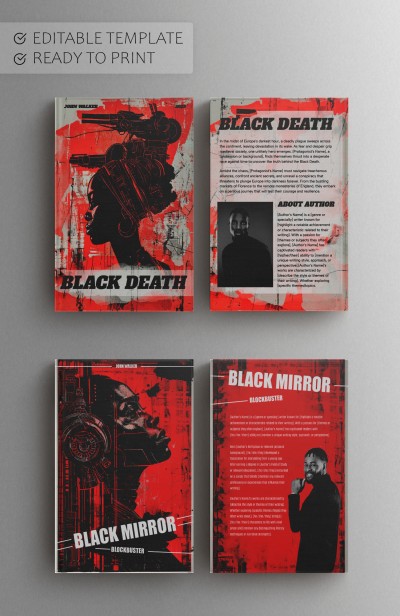
Modern Book Cover Layout
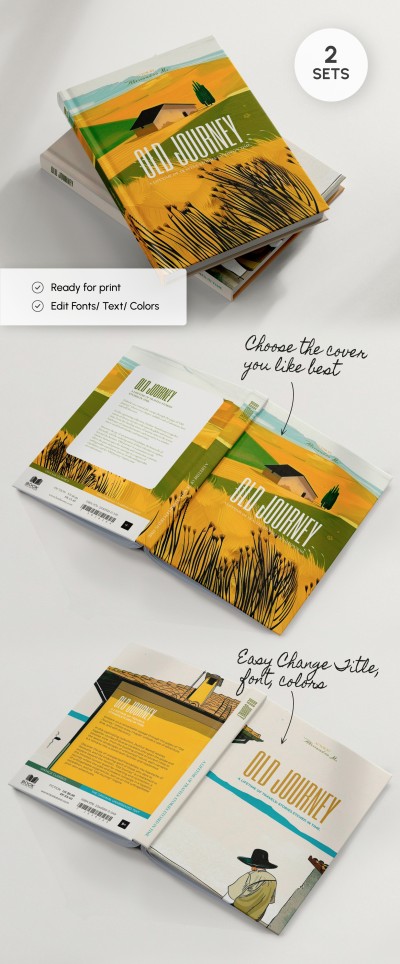
Sleek Book Cover Layout
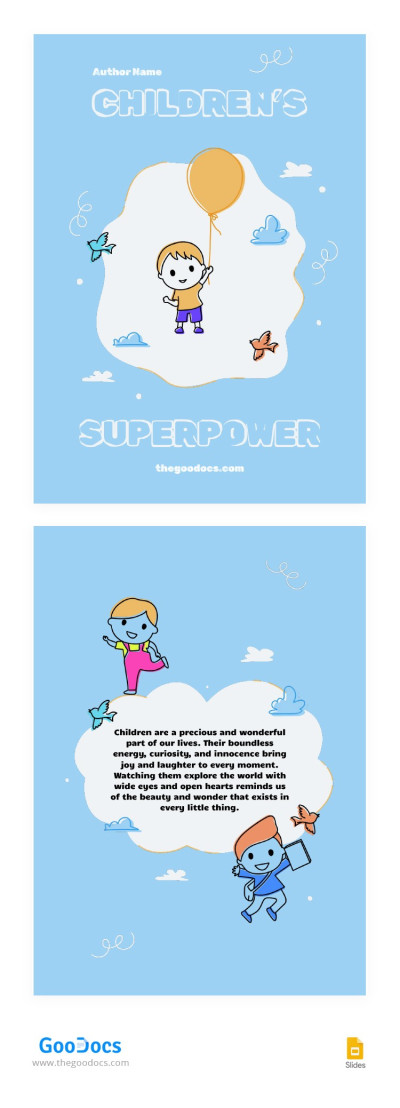
Bright Kids Book Cover
Our collection of fiction book templates offers ready-made solutions to help you design your work. Our templates include pre-made elements such as front and back covers, interior pages, and professional table of contents layouts. Settings for high-quality printing and self-publishing are included, so you won’t have to waste time on formatting.
More features of our fiction book templates:
- Ready-to-use professional designs are available for free. The appearance of every page matters. We’ve prepared dozens of unique designs tailored specifically for fiction books. You can use templates with pre-made covers, spines, margins, and placeholders for the author’s name and titles for free.
- Our templates are fully editable in various formats. Each template is available in Google Docs, Word, Google Slides, or PowerPoint. Files are fully customizable, so you can easily move text blocks and image placeholders, choose new fonts, and add your content using standard editing tools.
- You can easily print a finished book in high quality. You can save a completed project as a PDF to ensure bookstore-quality printing. We’ve pre-configured settings for various sizes, including A4, US Letter, and other popular formats for self-published authors.
Use the default design of our fiction templates or personalize them to suit the theme and tone of your story. Choose a book template in Google Docs for your next project and save time without sacrificing quality.
Fiction Book Templates FAQ
You can use a standard fiction structure that works for any literary genre.
This is called the three-act fiction book structure:
- The first act takes up 25% of your book. The Setup should include a hook that immediately grabs the reader's attention. This is followed by a brief introduction to the protagonist and the inciting incident (an event that disrupts the protagonist's ordinary life).
- The second act is 50% of the book. The Confrontation section is where the main action occurs. It's a character development through meeting new people, facing trials, emotional challenges, and more. This is where the plot intensifies and builds toward the climax.
- The third act takes up the final 25% of a fiction book. The last section shows the climax and the resolution of the main plot conflict. It usually ends with a conclusion or an aftermath that reveals the outcome.
The three-act structure is considered the gold standard for fiction books. This is a great starting point that gives you maximum creative freedom. However, there are other popular fiction patterns.
For example, the Hero's Journey pattern, created by Joseph Campbell and adapted by Christopher Vogler. The best examples of this structure are Star Wars and Harry Potter. There's also the Save the Cat structure (with 15 beats), Freytag's Pyramid (pattern divided into five parts for dramas and tragedies), and the Fichtean Curve (where the story is a series of crises, each one progressively more intense than the last).

